Historic-Home HVAC Replacement Planning Near Harrisburg
An older home's HVAC project can involve a working boiler, later-added cooling, altered rooms and a mechanical space that is difficult to reach. A useful replacement plan starts with those actual conditions. For Harrisburg-area homeowners, this guide explains what to document, how to compare changes and when property-specific historic review belongs in the conversation. It does not assume that every older home is designated historic or that one system fits every house of the same age.

The short answer
For an older or historic home, separate the heating distribution, cooling distribution and controls before choosing replacement equipment. Document access and any visible exterior changes. Confirm whether the property and proposed work fall under historic review, then compare proposals that explain retained components, new routes, restoration and applicable approval steps.
Your planning checklist
- Confirm whether the actual property is subject to historic review; building age alone does not establish that.
- Identify which heating distribution, cooling system and controls can remain before comparing replacement options.
- Document visible outdoor equipment, vents, openings and screening in the proposed scope.
- Keep municipal review, building access and installation work coordinated.
A quick plan before you call.
A homeowner checklist for identifying equipment, checking authorization, comparing proposals and preparing safely.
Listen to the audio or read the transcript
Planning heating or cooling work in the Harrisburg area? Start with your actual home, rather than choosing equipment from a town name or floor area alone.
First, identify what you have: a furnace, a boiler with radiators, or a ducted heat pump. Note the rooms affected and any additions or layout changes. Photograph accessible labels without opening equipment.
Second, identify the property municipality and the proposed work. A mailing city or ZIP code does not identify every municipal boundary. For a condo or planned community, check the governing documents and who can authorize changes.
Third, compare the complete scope. Include equipment matching, ducts or piping, electrical work, venting, controls, removal, and the route used to reach the equipment. Explain known drainage or water-exposure concerns.
Keep safety first. Leave wiring, fuel and refrigerant components to a qualified professional. Do not restart equipment that has contacted floodwater. Local climate data can help plan seasonal upkeep, but it cannot size a system for a particular house.
For a property-specific conversation, call Harrisburg Heating and Cooling at seven one seven, two nine four, zero three three eight. Ask for a free quote covering the proposed work. Read the complete guides for sources and the detailed planning checklist.
General homeowner guidance with computer-generated narration. Your actual equipment and property determine the work. See the complete guides and sources for detail.
Confirm the property's status before assuming a rule
Start with the municipality, parcel and any known district or property designation. A mailing address is not a municipal boundary, and the phrase historic home can mean different things in a real-estate description and an approval process. Ask the responsible office which current resources apply to the property and the work you are considering.
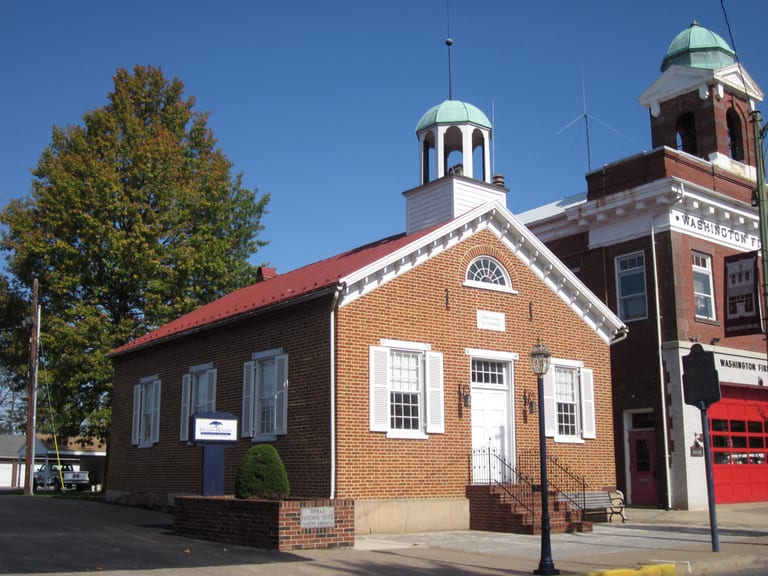
Mechanicsburg Borough provides a useful local example: its HARB helps applicants consider historic appropriateness and makes recommendations to Borough Council. Council approval results in a Certificate of Appropriateness. That describes the borough's process, not a universal rule for the entire Harrisburg region. Confirm applicability before assuming the same review, outcome or schedule at another address.
Map the heating and cooling that already serve the rooms
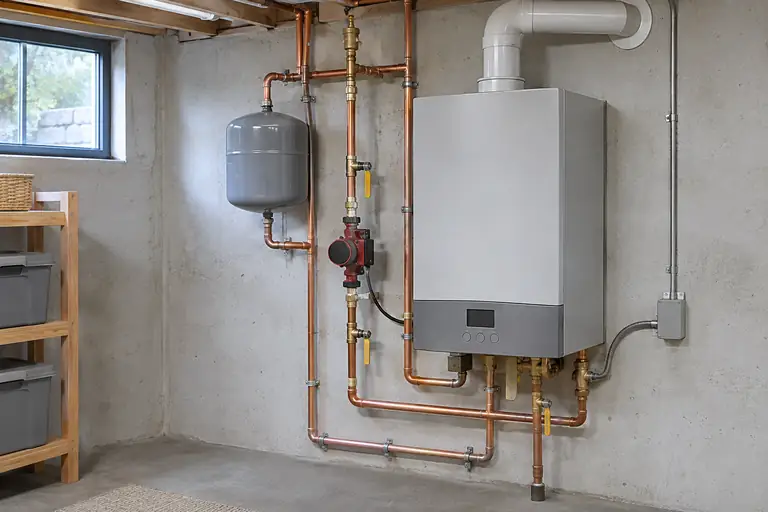
Identify the heating distribution separately from the equipment producing heat. A house may use radiators or hydronic baseboards while its cooling operates through another arrangement. Another home may already have ducted heating and cooling. Describe what is actually installed rather than inferring it from the age or style of the building.
Make a room list showing the system serving each space and any recurring temperature problem. Include added rooms, converted attics and finished basements when they are part of the conditioned layout. Record which equipment or features you hope to keep. This helps the discussion distinguish a targeted replacement from a larger change in how comfort reaches the home.
Compare options by what stays and what changes
For a home with boiler heat, ask whether the heating concern can be addressed while retaining the distribution, and evaluate cooling as its own part of the project. For an existing ducted system, ask which ducts, returns, controls and indoor components are suitable to retain. A proposal should explain the reason for the recommended change and its effect on the rooms involved.
If you are comparing a different heating approach, include the connected work in that comparison. Ask how it affects electrical capacity, existing fuel equipment, controls and access. A promise of new equipment alone does not describe the whole installation. Record the practical differences between options so you can compare their scope alongside their proposed comfort improvement.
Document outdoor equipment and visible routes
A clear exterior plan shows the proposed outdoor unit, visible vents, line routes, wall openings and any screening. Take wider photographs that show their relationship to the building and access paths. If a different location is suggested, ask how it changes connected work and future maintenance. Do not assume that the existing position is suitable for every replacement model.
For a property subject to review, share that plan with the appropriate office before the design is finalized. Linglestown's planning appendix discusses village character and a recommendation to consider historic designation; it does not establish a blanket review requirement for every village property. The useful question is which requirements apply to this proposal at this home.
Plan access and restoration alongside the equipment
Explain basement stairs, low doorways, narrow halls and occupied rooms on the equipment route. Share safe photographs or clear dimensions when available without moving heavy objects or entering an unsafe area. A contractor needs to understand how old equipment leaves and new equipment reaches its position. Include any tenant, owner or shared-entry arrangements in that conversation.
Ask what happens to surfaces affected by the work. The estimate should state the included openings, connections, removal and restoration, along with any work assigned elsewhere. Identify access needed for future service as well as installation day. This avoids selecting a compact-looking appliance without understanding the usable space, connections and maintenance route around it.
Turn the assessment into a reviewable proposal
Bring the property status, room list, equipment details and access photographs into one short brief. Ask each estimate to identify retained components, new components, controls, connected work and any review still required. Where options differ, request an explanation of the building-specific reason. Compare complete proposals instead of judging them by the equipment name alone.
Call Harrisburg Heating and Cooling at (717) 294-0338 for a free quote. Describe whether the immediate concern is a failure, uneven comfort or a planned upgrade. Share known property restrictions and any previous work affecting the system. The installation discussion can then focus on a clear goal and the actual conditions of the home.
Questions about this topic
What general gas-furnace replacement range can I use?
Carrier's U.S. reference is from $3,800 to $12,000 with standard installation. It is not a historic-property or Harrisburg average. Access, venting and building changes need a defined scope. Call (717) 294-0338 for a free quote for the complete project.
Must boiler heat be removed to improve cooling?
Heating and cooling may be separate systems. Identify the existing distribution and ask what each proposed option retains or changes. The age of the house does not answer whether the boiler, radiators or cooling arrangement should be replaced.
Does HARB approve every older home's HVAC project?
Review depends on the property, jurisdiction and proposed work. In Mechanicsburg, HARB makes recommendations and Borough Council approval results in a Certificate of Appropriateness. Confirm whether that process applies to your address rather than assuming building age establishes a requirement.