A boiler repair, furnace replacement, or change to heat-pump heating should fit the way your Mechanicsburg home is built and heated. Harrisburg Heating and Cooling can discuss the existing equipment, rooms affected, and scope you want to compare. Call to confirm availability at your address. For planned work, start with the local considerations below, including exterior changes and the route into the mechanical space.
Mechanicsburg Borough has a dedicated codes and zoning department. Confirm the municipality using the property record before asking which office reviews a project. Include the precise equipment location and work description. This avoids treating every Mechanicsburg postal address as if it falls under the borough's procedures.
Check historic-district status before exterior changes
The borough maintains a Historic Architectural Review Board. If the property lies in an applicable historic district, ask about the proposed exterior work before selecting visible equipment, new vents, or screening. This is a property-specific planning step; it does not mean every Mechanicsburg home is historic or that every repair needs the same review.
Separate drainage from cooling performance
The borough publishes Municipal Separate Storm Sewer System resources. If an equipment project changes an outdoor pad or nearby grading, include drainage in the discussion. Indoor condensate, rainwater around the foundation, and street runoff are different systems. A larger air conditioner is not a solution to water entering the building from outdoors.
Know your location
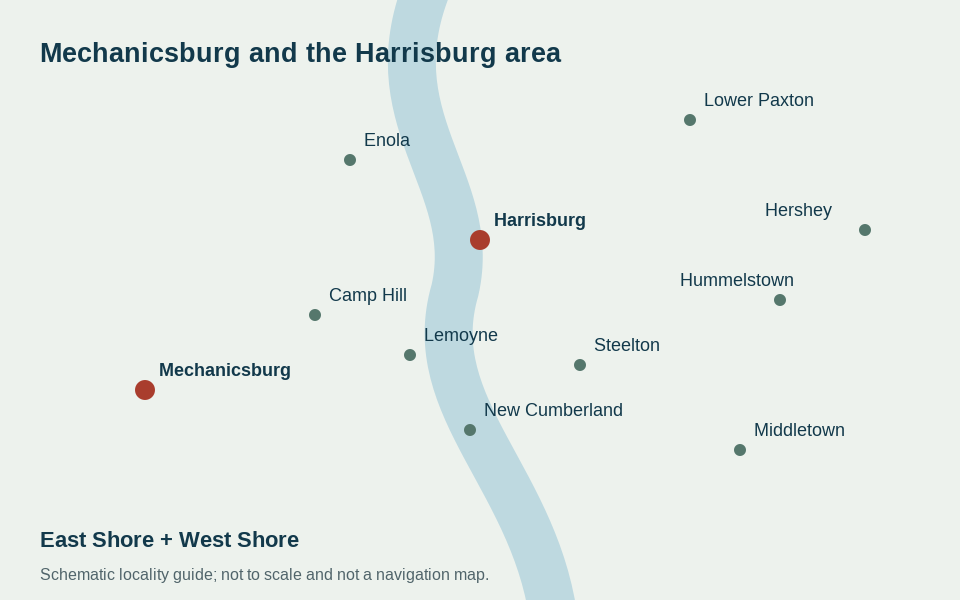
Mechanicsburg in the Harrisburg area.
A place name helps start the conversation. The full street address and municipality help clarify site access and which local resources apply to your project.
This guide shows community relationships, not a business office or a guaranteed service radius.
These situations may apply to your property. A site-specific review is needed before choosing equipment or changes.
Keeping radiator heat while improving cooling
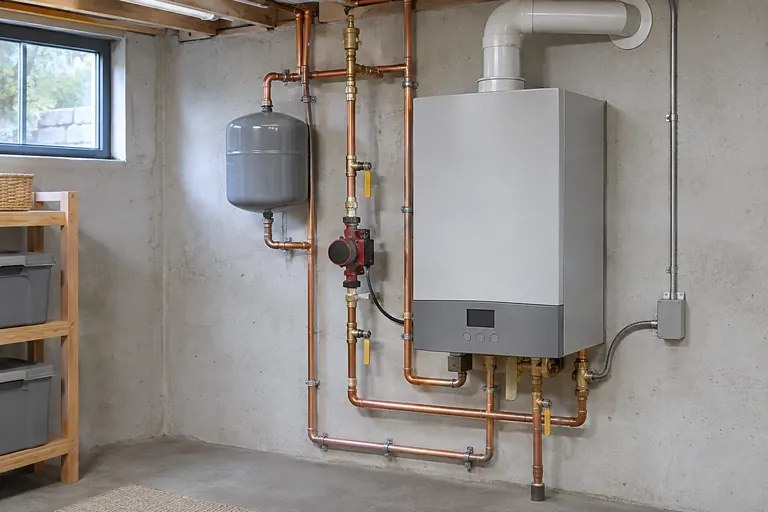
For a property with a boiler and radiators, first identify the heating distribution separately from the cooling system. A boiler repair does not automatically require replacing every radiator, and cooling changes need their own distribution plan. Describe whether rooms are cold, radiators are noisy, or water pressure changes. Keep any existing service records available for the evaluation.
Evaluating comfort after a renovation
A finished attic, altered floor plan, or added room can change the load and airflow compared with the original layout. If that applies, share the renovation history and which spaces have supply and return openings. Ask how the proposed system serves those spaces. Simply matching the capacity of the old unit can repeat an existing sizing or distribution problem.
Comparing a furnace with a heat pump
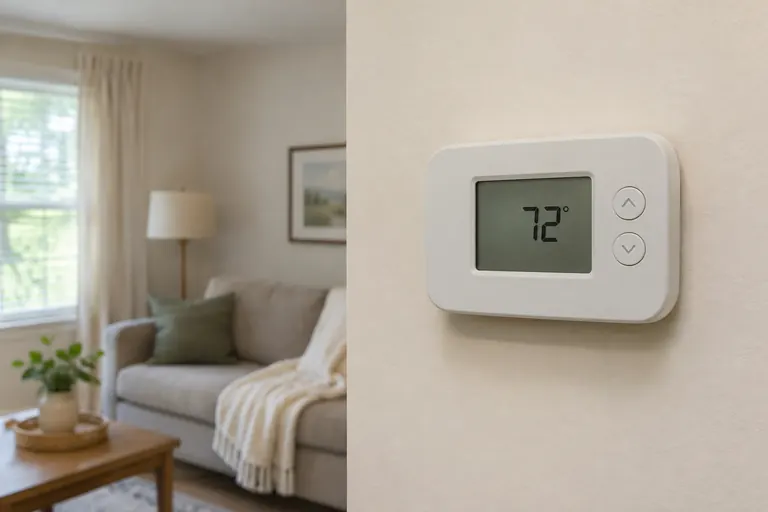
A useful comparison includes the current fuel, electrical capacity, duct suitability, backup heating strategy, and thermostat setup. Bring bills from different seasons if you want to discuss operating costs, while recognizing that future rates and weather vary. Ask each estimate to identify included electrical work and controls so the proposals describe equivalent projects.
Get ready for the conversation
A little information goes a long way.
Provide the property municipality and any known historic-district or association restrictions.
Identify whether heat comes from radiators, baseboards, ducted warm air, or another system.
Gather model numbers, approximate installation dates if known, and previous repair descriptions.
Explain renovations, inaccessible rooms, and the route for removing equipment from the building.
Describe no heat, a cold zone, unusual pressure behavior or a visible leak. Confirm the boiler fuel and whether the system uses hot water or steam so the service request fits the equipment.
Prepare for seasonal boiler service with the model, fuel, zone information and previous records. Ask which equipment-specific checks are included and keep existing repair concerns clearly identified.
Explain a no-heat, ignition, blower or cycling problem and confirm coverage for your furnace type. A clear account of the failure helps separate an equipment fault from a thermostat or airflow issue.
Explore a ducted heat pump with attention to winter capacity, backup heat, electrical needs and existing ducts. Compare the whole system and its control strategy before selecting equipment.
Weak airflow in one room may involve a damaged branch, a return-air problem or a wider system restriction. Discuss duct repair, sealing and airflow findings before assuming cleaning or equipment replacement is the answer.
Boiler repair, installation, and maintenance are among the services described on this site. Call with your address, fuel type, and the issue to confirm availability for the property. Explain whether the concern affects the boiler itself, one heating zone, or the entire house.
Can exterior equipment affect a historic-property project?+
It may. If your property is subject to historic review, discuss the proposed location, appearance, penetrations, and screening with the appropriate municipal office before finalizing the installation. The borough's Historic Architectural Review Board resources are a starting point for properties within its jurisdiction.
Why is one room still cold when the furnace runs?+
The cause could involve airflow, a return path, heat loss, controls, or the heating equipment. Describe the affected room and whether the problem began after a change to the home. A room-by-room assessment can help distinguish a distribution issue from a whole-system problem.
Check the responsible municipality for current project requirements. A mailing address and a municipal boundary may differ.
Harrisburg Heating and Cooling
Heating and cooling help in Mechanicsburg.
Tell us what your system is doing, which rooms are affected, and where you’re located. We’ll discuss the appropriate next step and current availability.