A Seasonal HVAC Maintenance Calendar for Harrisburg Homes
A useful maintenance calendar helps you prepare for heating and cooling seasons without pretending the weather follows a fixed appointment date. For the Harrisburg region, NOAA's airport-station normals provide a clear historical baseline. Combine that context with the instructions, service history and condition of your installed equipment. This guide suggests a practical planning sequence for furnaces, boilers, central air conditioners and heat pumps; a system showing a fault needs attention based on that fault rather than the calendar.
The short answer
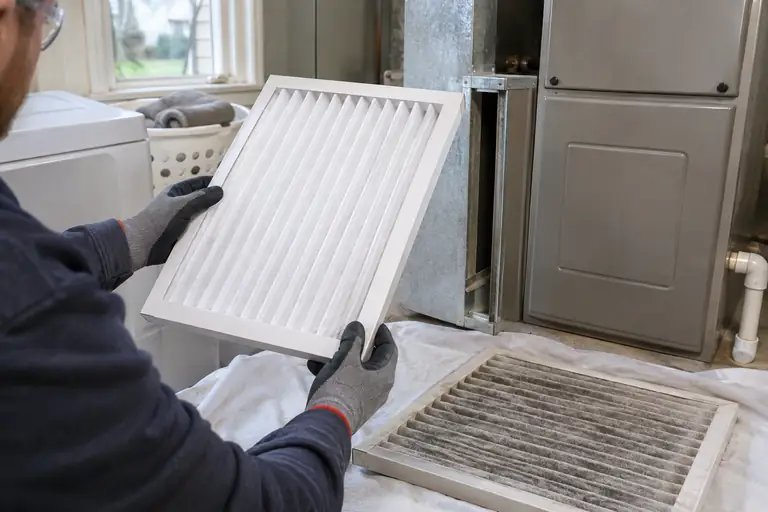
Plan heating checks before your household's sustained heating use and cooling checks before sustained cooling use. NOAA's 1991–2020 airport normals have a January mean of 30.8°F and July mean of 77.3°F. Those regional averages support seasonal planning, while equipment instructions and current symptoms determine the actual maintenance needed.
Your planning checklist
- Use NOAA airport normals as a regional historical baseline, not a forecast or neighborhood microclimate.
- Schedule work around the installed equipment's instructions and operating condition.
- Separate safe owner observations from professional mechanical, electrical and fuel-system work.
- Compare annual-plan coverage and visits alongside the published sample range.
A quick plan before you call.
A homeowner checklist for identifying equipment, checking authorization, comparing proposals and preparing safely.
Listen to the audio or read the transcript
Planning heating or cooling work in the Harrisburg area? Start with your actual home, rather than choosing equipment from a town name or floor area alone.
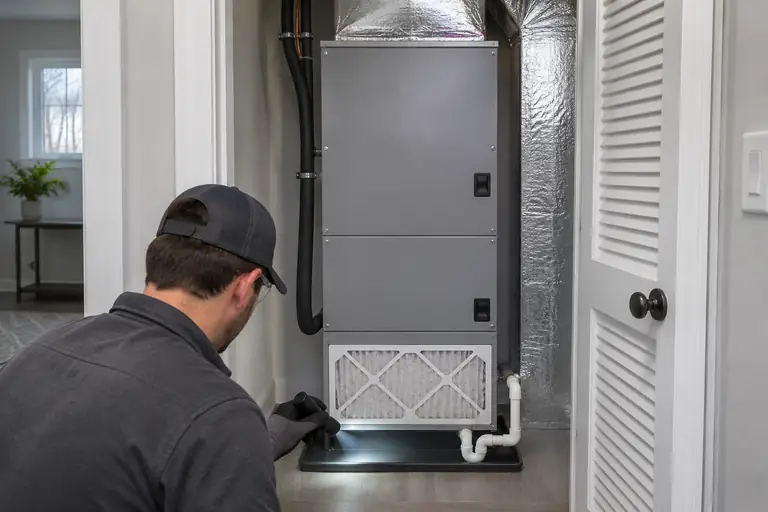
First, identify what you have: a furnace, a boiler with radiators, or a ducted heat pump. Note the rooms affected and any additions or layout changes. Photograph accessible labels without opening equipment.
Second, identify the property municipality and the proposed work. A mailing city or ZIP code does not identify every municipal boundary. For a condo or planned community, check the governing documents and who can authorize changes.
Third, compare the complete scope. Include equipment matching, ducts or piping, electrical work, venting, controls, removal, and the route used to reach the equipment. Explain known drainage or water-exposure concerns.
Keep safety first. Leave wiring, fuel and refrigerant components to a qualified professional. Do not restart equipment that has contacted floodwater. Local climate data can help plan seasonal upkeep, but it cannot size a system for a particular house.
For a property-specific conversation, call Harrisburg Heating and Cooling at seven one seven, two nine four, zero three three eight. Ask for a free quote covering the proposed work. Read the complete guides for sources and the detailed planning checklist.
General homeowner guidance with computer-generated narration. Your actual equipment and property determine the work. See the complete guides and sources for detail.
Cost reference
Eight published plan observations from two providers. These are annual-plan sample bounds rather than representative local averages or our prices. Compare covered equipment, visits and terms; call for a free quote for your home's scope.
| Equipment-specific annual plans | Observed annual amount |
|---|---|
| Central air conditioning | from $139.95 to $209Two local providers; one scheduled visit in each observed offer. |
| Furnaces | from $209 to $299Gas and oil plans from one provider; not a multi-provider furnace survey. |
| Heat pumps | from $269.95 to $279Two providers; two seasonal visits in each observed offer. |
| Boilers | from $235 to $348Gas and oil plans from one provider; not standalone repair charges. |
What the local climate numbers actually describe
The NOAA station used here is USW00014711, Middletown/Harrisburg International Airport. Its 1991–2020 normal annual mean is 54.3°F. Normal monthly means rise from 30.8°F in January to 77.3°F in July. The station's average daily maximum is 38.6°F in January and 86.8°F in July. These are different statistics from record temperatures or equipment design conditions.
This is a regional historical baseline, not a measurement for every street, a current forecast or a survey of service demand. It does not establish separate riverfront, village or hillside humidity values. Use it to understand seasonal context while making decisions from your equipment and home. The primary annual and monthly NOAA files are linked below so the station and period are explicit.
Late winter and spring: prepare the cooling side
The station's normal monthly mean moves from 41.8°F in March to 53.2°F in April and 63.4°F in May. Use the transition as a reminder to review cooling maintenance and any unresolved problem from the previous summer. Gather the indoor and outdoor model numbers, service history and notes about rooms that stayed warm or clammy.
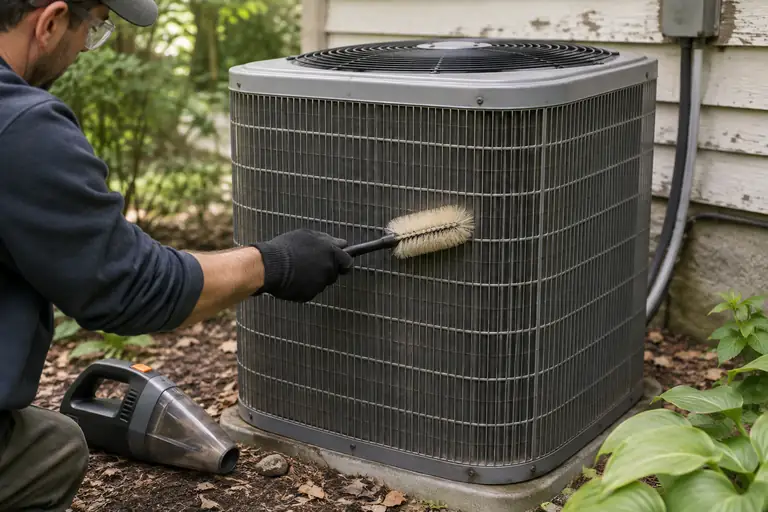
For owner checks, follow the equipment instructions for accessible filters and normal thermostat operation. Note vegetation, stored items or debris around the outdoor equipment without opening panels or reaching into the unit. Professional cleaning and performance checks should follow the installed system's requirements. A planning reminder does not replace a fault assessment when a breaker trips, a leak develops or cooling stops.
Summer: record comfort patterns instead of guessing at a cause
June, July and August normal means at this station are 72.5°F, 77.3°F and 75.2°F. During cooling use, record whether the issue affects one room or the whole house and whether it changes through the day. Note the thermostat setting and any visible message. These observations give a service conversation more useful detail than simply describing the system as inefficient.
Keep moisture observations specific. Water near an indoor appliance, a damp basement after rain and a cool room that feels humid can involve different conditions. Describe the location and timing rather than assuming a larger air conditioner is the answer. Avoid opening equipment, adjusting unfamiliar controls or repeatedly resetting a tripping breaker to collect more information.
Autumn: review heating before regular use
Normal monthly mean temperature falls from 67.9°F in September to 55.8°F in October and 44.8°F in November. Plan around your household's actual heating use and the system's instructions, allowing time to discuss any unresolved fault or replacement. A heat pump serving both seasons deserves attention to its complete arrangement rather than treating the outdoor unit as cooling-only equipment.
Identify the fuel, distribution and backup heat, where applicable. Gather previous repair notes and explain any new rooms or control changes. The Department of Energy's home checklist recommends annual professional furnace or heat-pump maintenance and cleaning or replacing heating and cooling filters. The actual maintenance scope and filter schedule should follow the installed equipment and conditions.
Winter: keep a clear record of what changed
December, January and February normal means at the airport station are 35.8°F, 30.8°F and 33.4°F. If comfort changes, record the affected rooms, the timing and the visible control message. Explain whether the equipment runs continuously, starts and stops or fails to respond. An older note about the same symptom can help distinguish a recurring issue from a new event.
Keep ordinary service questions separate from immediate hazards. If a carbon monoxide alarm sounds, leave the building and call 911 from outside. If you suspect a gas leak, leave without operating nearby switches or equipment and contact emergency services or the utility from a safe location. Do not wait for a maintenance appointment to address those situations.
Compare a maintenance agreement with the work you need
The local plan ranges below come from eight published annual offers across two providers in our existing comparison. The furnace and boiler bounds each compare gas and oil offers from one provider. They are sample bounds, not an area-wide average, standalone visit prices or Harrisburg Heating and Cooling's rates. Included visits and agreement terms matter when comparing a plan with another scope.
Use a calendar for working equipment and describe a current fault when repair is needed. Call Harrisburg Heating and Cooling at (717) 294-0338 for a free quote. Share the address, model information and the concern you want addressed. A practical plan follows the home's installed system, the work due and any symptoms that require attention now.
Questions about this topic
Do these temperatures tell me the weather next month?
No. They are 1991–2020 climate normals for the Middletown/Harrisburg airport station. Current weather varies. A normal mean is useful regional context, while a forecast, design calculation and measurement at your home answer different questions.
What annual maintenance-plan range appears in the local sample?
Central AC examples range from $139.95 to $209 annually, and heat-pump examples from $269.95 to $279 annually. Compare visits and coverage. These are published sample bounds, not a Harrisburg average or this company's price list. Call (717) 294-0338 for a free quote.
Should a system with a current fault wait for its seasonal appointment?
Describe the fault when requesting service rather than treating it as routine maintenance. A calendar helps plan work for functioning equipment; it does not establish that a leak, repeated shutdown or loss of heating or cooling is safe to leave unresolved.